Potentiometers and Their Impact on Proportional Valve Driver Functionality
Understanding Potentiometers in Proportional Valve Drivers
What is a Potentiometer?
A potentiometer is a three-terminal resistor that allows for adjustable voltage division. Often referred to as a variable resistor, it serves as a crucial component in various electronic applications, including proportional valve drivers. The core function of a potentiometer revolves around its ability to provide variable resistance, enabling precise control over electrical signals. In the context of hydraulic systems, potentiometers translate user input into electrical signals that dictate the operation of valves. This functionality enhances the accuracy and responsiveness of hydraulic systems, making potentiometers indispensable in modern engineering.
Role of Potentiometers in Valve Functionality
Potentiometers play a pivotal role in the functionality of proportional valve drivers. They act as the input device that translates user commands into actionable signals for valves. By adjusting the potentiometer, operators can precisely control the flow and pressure of hydraulic fluids, allowing for proportional control. This capability leads to smoother operation, reduced wear on components, and enhanced system performance. The real-time feedback provided by the potentiometer ensures that the system can adapt dynamically to changes in demand, improving efficiency and reliability in hydraulic applications.
Types of Potentiometers Used in Proportional Control
Various types of potentiometers are utilized in proportional control applications, each serving specific needs in hydraulic systems. The most common types include rotary and linear potentiometers. Rotary potentiometers are widely used due to their compact size and ease of integration. They allow for continuous rotation, making them ideal for applications requiring a wide range of adjustment. Linear potentiometers, on the other hand, are often used in applications where linear movement directly correlates with valve position. The choice between these types depends on factors such as space constraints, desired accuracy, and application-specific requirements.
The Integration of Potentiometers with Proportional Valve Electronics
Connecting Potentiometers to PCB and H-Bridge Circuits
Integrating potentiometers with printed circuit boards (PCBs) and H-bridge circuits is a critical step in designing effective proportional valve drivers. PCBs serve as the backbone of electronic systems, providing a platform for connecting various components, including potentiometers. The H-bridge circuit allows for bidirectional control of solenoid coils, enabling precise movement of valves based on the signal received from the potentiometer. Proper connection and layout ensure minimal noise and interference, which is vital for maintaining accuracy in valve actuation. Engineers must consider factors such as trace width, grounding, and component placement to optimize performance.
The Impact of Voltage Variations on Valve Performance
Voltage variations can significantly impact the performance of proportional valve drivers. Potentiometers generate variable voltage signals that inform the control electronics about the desired position of the valve. Fluctuations in voltage can lead to erratic valve behavior, causing issues such as overshooting or undershooting the target position. To mitigate these effects, it’s essential to employ voltage regulation techniques and robust filtering methods in the circuit design. This ensures that the signals from the potentiometer remain stable and consistent, enhancing the reliability of hydraulic systems across various applications.
Utilizing USB and NFC for Enhanced Interface Capabilities
The integration of USB and Near Field Communication (NFC) technologies in proportional valve drivers introduces enhanced interface capabilities. USB connections allow for straightforward data transfer and power supply, making it easier to update firmware and configure settings. This connectivity broadens the possibilities for remote monitoring and control. NFC technology enables users to interact with the system simply by bringing their devices close to the interface, streamlining setup and adjustment processes. By leveraging these technologies, manufacturers can create intuitive user experiences that cater to the evolving demands of hydraulic system operators.
Applications and Benefits of Potentiometers in Hydraulic Systems
Exploring the Use of Potentiometers in North American Industries
In North America, industries such as manufacturing, agriculture, and construction heavily rely on hydraulic systems for efficient operation. Potentiometers are integral to these systems, providing precise control over hydraulic valves. For instance, in manufacturing, automated machinery utilizes potentiometer-based proportional valve drivers to achieve smooth and efficient material handling. Agriculture equipment, like tractors and harvesters, employs these devices to optimize hydraulic functions, enhancing productivity. The versatility and reliability of potentiometers make them a preferred choice in various hydraulic applications, driving innovation and efficiency across industries.
Comparison of Potentiometer-based Systems with Other Control Methods
Potentiometer-based systems offer distinct advantages over other control methods, such as on/off solenoids or fixed displacement pumps. Unlike traditional systems that provide binary control, potentiometers enable proportional control, allowing for smoother transitions and improved system responsiveness. This functionality reduces the risk of shock loading, minimizing wear and tear on hydraulic components. Additionally, potentiometer-based systems allow for finer adjustments, enhancing control over flow and pressure. Compared to digital control methods, potentiometers offer a more straightforward interface, making them user-friendly for operators in various settings.
Real-world Examples: Axiomatic and Atos Valve Applications
Leading manufacturers like Axiomatic and Atos have harnessed the power of potentiometers in their valve applications. Axiomatic's advanced hydraulic controllers utilize potentiometers for precise feedback in their proportional control systems, ensuring optimal performance in industrial applications. Atos, renowned for their innovative hydraulic solutions, incorporates potentiometers in their proportional valves, allowing for enhanced fluid management and energy efficiency. These real-world examples highlight the effectiveness of potentiometers in driving the performance of hydraulic systems, showcasing their essential role in modern engineering.
Frequently Asked Questions about Proportional Valve Drivers
How do Potentiometers Affect Solenoid Coil Functionality?
Potentiometers directly influence the functionality of solenoid coils in proportional valve drivers. By adjusting the resistance of the potentiometer, users can control the voltage supplied to the solenoid coil. This control dictates the coil's activation, enabling precise movement of the valve. When the potentiometer settings are optimized, solenoid coils can achieve their intended position more accurately and efficiently. This dynamic interaction between potentiometers and solenoid coils forms the backbone of effective proportional control in hydraulic systems.
What are the Advantages of Using Digital Displays with Potentiometers?
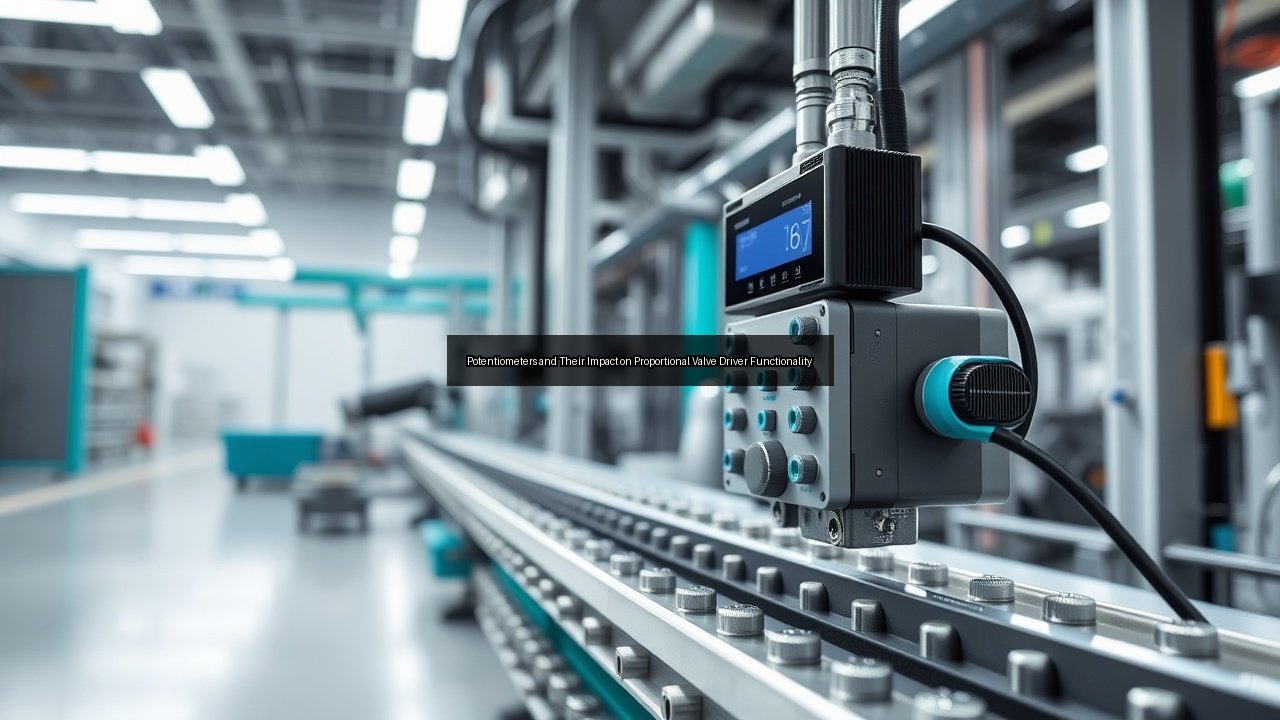
Integrating digital displays with potentiometers enhances user experience by providing real-time feedback on valve settings and performance. Digital displays allow operators to visualize the current position and make adjustments with greater precision. This immediacy reduces errors and enhances overall operational efficiency. Additionally, digital displays can offer diagnostic information, alerting users to potential issues before they escalate. This combination of visual feedback and potentiometer functionality creates a powerful interface that optimizes the management of hydraulic systems.
Troubleshooting Common Issues with Proportional Valve Drivers
Troubleshooting issues with proportional valve drivers often involves addressing problems related to the potentiometer. Common issues include erratic valve movement, lack of response, or inconsistent operation. Start by checking the connections between the potentiometer and the PCB. Ensure that there are no loose wires or corrosion affecting the signal. Voltage fluctuations should also be monitored, as they can lead to undesirable valve behavior. If problems persist, verify the calibration of the potentiometer and consider replacing it if it is found to be faulty. Regular maintenance and monitoring of the entire system can prevent many of these issues, ensuring reliable performance.