The Importance of Quality Control in Ductwork Manufacturing
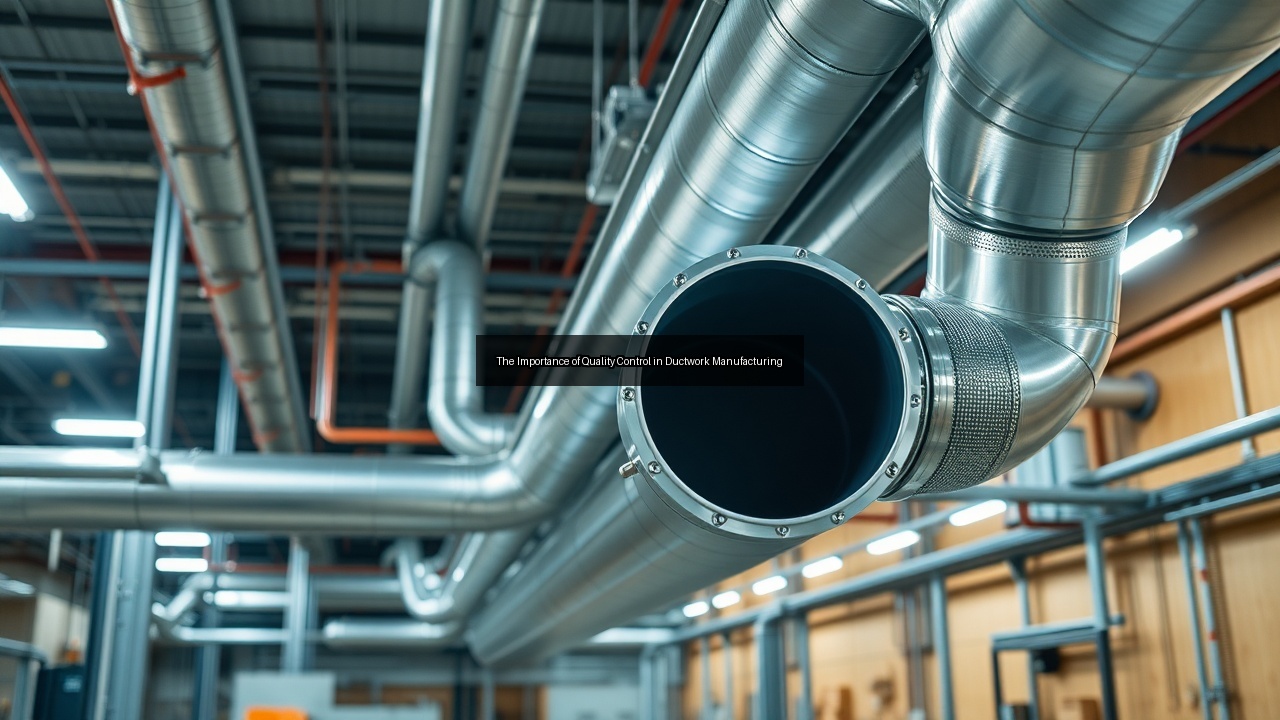
Understanding the Significance of Quality Control in Ductwork Manufacturing
Impact on HVAC Systems Performance
Quality control in ductwork manufacturing directly influences the performance of HVAC systems. Air ducts serve as the arteries of any heating, ventilation, and air conditioning (HVAC) system, responsible for distributing conditioned air throughout a building. If the ductwork is poorly constructed or contains defects, it can lead to significant issues such as reduced airflow, uneven temperature distribution, and increased energy consumption. The tightness and integrity of the ducts play a crucial role in ensuring that air flows efficiently. High-quality duct fabrication results in systems that operate closer to their intended efficiency, ultimately enhancing the comfort and satisfaction of building occupants.
Ensuring Consistent Airflow
Consistent airflow is essential for maintaining optimal indoor air quality and comfort levels. Quality control processes in ductwork fabrication ensure that ducts are constructed to precise specifications, preventing issues such as leaks and blockages that disrupt airflow. During the manufacturing process, detailed inspections and measurements verify that each duct section meets industry standards. By using reliable calculators for duct length and size, manufacturers can guarantee that the airflow remains steady and balanced across all sections of the duct system. This consistency leads not only to better HVAC performance but also to improved energy efficiency, as systems do not have to work harder to compensate for airflow discrepancies.
Reducing Manufacturing Errors
Quality control aims to minimize manufacturing errors within ductwork fabrication. Errors in the fabrication process can lead to several downstream problems, including wasted materials, increased labor costs for repairs, and potential safety hazards. Implementing rigorous inspection protocols at every stage of production identifies defects before they escalate into more significant issues. For instance, a simple miscalculation in duct length can lead to significant airflow problems and necessitate costly modifications. By prioritizing quality control, manufacturers can streamline their operations, reduce waste, and ensure that each component of the duct systems meets the highest standards of precision.
Key Quality Control Processes in Ductwork Fabrication
Material Selection and Inspection
The quality of ductwork begins with the selection of materials. Manufacturers must choose high-grade materials that can withstand the demands of HVAC systems, including temperature fluctuations and varying humidity levels. Quality control processes involve thorough inspections of raw materials, ensuring they meet the required specifications before fabrication begins. This step prevents inferior materials from compromising the integrity of the duct systems. For instance, using subpar sheet metal for duct manufacturing can lead to corrosion and premature failure. Implementing strict material quality standards during the fabrication process enhances the overall durability and reliability of the ducts.
Precision in Duct Length Calculations
Accurate duct length calculations are critical in the ductwork fabrication process. Manufacturers rely on advanced calculators to determine the precise lengths needed for each duct segment, ensuring that they fit together seamlessly during installation. Inaccurate calculations can result in gaps, leaks, and inefficient airflow. Quality control checks at this stage involve reviewing the calculations and verifying the dimensions of each duct piece before it is cut and assembled. This attention to detail significantly reduces the likelihood of errors and contributes to a more efficient fabrication process, allowing for smoother installations and better overall system performance.
Testing for Air Leakage
Testing for air leakage is a vital component of quality control in ductwork manufacturing. Once the duct systems are assembled, they must undergo rigorous testing to identify any leaks that could compromise performance. Manufacturers often employ specialized equipment to measure airflow and detect leaks within the ducts. Addressing these leaks during the fabrication process prevents energy loss and ensures that HVAC systems operate at peak efficiency. Quality control measures that include air leakage testing not only enhance system performance but also contribute to lower energy bills for end-users, making them an essential part of the ductwork fabrication process.
Benefits of Effective Quality Control in Duct Systems
Enhanced Durability and Longevity of Ducts
Effective quality control practices lead to enhanced durability and longevity of duct systems. By ensuring that each component is manufactured to stringent specifications, manufacturers can produce ducts that withstand the test of time. High-quality materials, precise construction, and rigorous testing all contribute to creating reliable duct systems that perform well over their lifespan. This durability reduces the frequency of repairs and replacements, resulting in cost savings for both manufacturers and consumers. A well-constructed duct system not only enhances the comfort of indoor environments but also minimizes environmental impact by reducing waste associated with premature system replacements.
Improved Energy Efficiency in HVAC Ductwork
Energy efficiency stands as a significant benefit of rigorous quality control in ductwork manufacturing. Duct systems that are well-fabricated and free from leaks ensure that HVAC systems operate efficiently, translating to lower energy consumption. When air ducts maintain consistent airflow without leaks, HVAC systems do not have to work harder to maintain desired temperatures. This efficiency not only contributes to reduced utility bills for consumers but also supports environmental sustainability efforts by lowering overall energy use. The emphasis on quality control in duct fabrication helps to create systems that meet modern energy standards, making them more appealing to environmentally conscious consumers.
Customer Satisfaction and Trust
Quality control in ductwork manufacturing fosters customer satisfaction and builds trust within the market. When consumers receive products that meet or exceed their expectations, they are more likely to return for future purchases and recommend the manufacturer to others. Consistently producing high-quality duct systems enhances a manufacturer’s reputation and positions them as a leader in the industry. Customers appreciate the peace of mind that comes with knowing their HVAC systems operate efficiently and reliably. Long-term relationships with clients are built on trust, and effective quality control practices serve as the foundation for that trust.
Future Trends in Ductwork Fabrication Quality Assurance
Integration of Technology in Manufacturing
The future of ductwork fabrication quality assurance lies in the integration of advanced technology. Automation and smart manufacturing techniques are transforming how ducts are produced and inspected. Utilizing robotics and AI-driven systems can enhance precision in the fabrication process, reducing the potential for human error. Furthermore, technology allows for real-time monitoring of production, ensuring that any deviations from quality standards are promptly addressed. This integration not only streamlines the manufacturing process but also enhances the overall quality of the duct systems produced, making them more efficient and reliable.
Emerging Standards in Duct Fabrication Services
As the industry evolves, emerging standards in duct fabrication services are shaping quality control practices. New regulations and guidelines focus on improving the overall efficiency and performance of HVAC systems. Manufacturers must stay abreast of these changes to ensure compliance and maintain their competitive edge. These standards often emphasize energy efficiency, material quality, and manufacturing practices that minimize environmental impact. By adhering to emerging standards, manufacturers can enhance their product offerings and contribute to a more sustainable future for ductwork fabrication.
Sustainability Practices in Duct Manufacturing
Sustainability practices are becoming increasingly important in ductwork manufacturing. Quality control processes now incorporate eco-friendly materials and methods to reduce the environmental footprint of duct systems. Manufacturers are exploring ways to recycle materials and minimize waste during the fabrication process. Implementing sustainable practices not only meets consumer demand for environmentally responsible products but also aligns with global efforts to combat climate change. As sustainability becomes a priority, quality control will play a pivotal role in ensuring that duct systems meet both performance and ecological standards.
See Also
- Exploring the Benefits of Professional Duct Fabrication Services
- Understanding the Differences Between Sheet Metal and Flexible Ducts
- How to Optimize Your HVAC Duct Systems for Better Performance
- Fabrication Techniques That Enhance Duct System Efficiency
- The Art and Science of Precision Duct Manufacturing