Understanding Hub Flanges and Their Role in Modern Engineering
The Basics of Hub Flanges
What Are Hub Flanges?
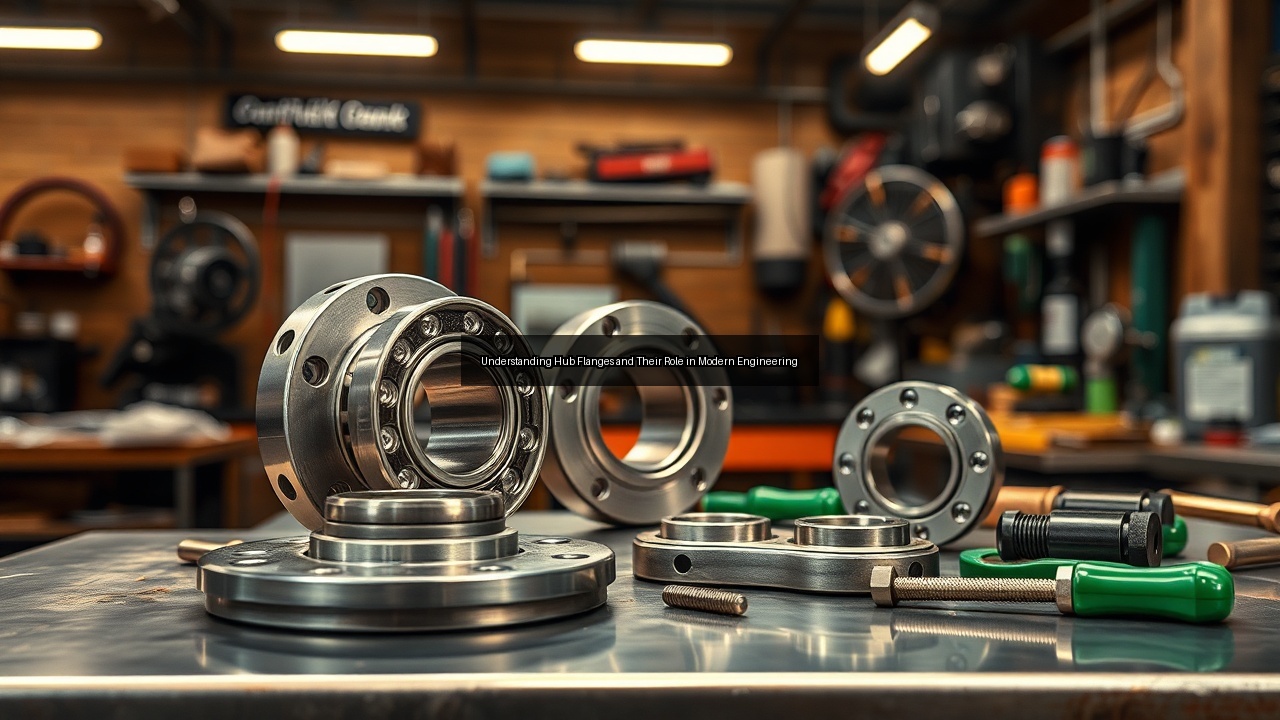
Hub flanges serve as critical components in various mechanical systems, particularly in the context of bearings and rotating machinery. A hub flange is a circular disk that connects a wheel or similar object to a shaft, providing a stable and secure mounting point. This component enables efficient transfer of torque and helps maintain alignment during operation. Hub flanges enhance the overall structural integrity of the system by distributing loads evenly, which is essential for optimal performance and longevity. Their design can vary significantly depending on the application, ranging from lightweight models for bicycles to robust options for heavy machinery.
Types of Hub Flanges
Several types of hub flanges exist, each tailored to specific engineering requirements. Common types include fixed hub flanges, which provide a secure, non-movable connection, and adjustable hub flanges, allowing for fine-tuning of spacing and alignment. Additionally, flanged hubs come in various configurations, including those designed for ball bearings. Flange ball bearings integrate the flange directly into the bearing unit, simplifying installation and enhancing durability. Each type caters to different applications, such as automotive, aerospace, and sports equipment, emphasizing the versatility and functionality of hub flanges across various industries.
Materials Used in Flanges
Manufacturers utilize a range of materials when producing hub flanges, with choices often depending on the specific application and environmental conditions. Common materials include steel, aluminum, and plastic. Steel offers high strength and durability, making it suitable for heavy-duty applications. Aluminum, on the other hand, provides a lightweight alternative that does not compromise on strength, which is particularly beneficial in cycling equipment. Innovations in composite materials further broaden the options available to engineers, allowing for designs that emphasize both performance and weight reduction. Understanding the properties of these materials helps engineers select the right hub flange for their needs, ensuring optimal functionality and reliability.
The Engineering Significance of Hub Flanges
Role of Hub Flanges in Bearings
Hub flanges play a pivotal role in the functionality of bearings, particularly in applications involving rotational movement. These components facilitate the proper alignment of bearings, ensuring that they operate smoothly and efficiently. A well-designed hub flange minimizes friction between the bearing and the shaft, extending the lifespan of both components. For example, in cycling, the integration of hub flanges with ball bearings allows for seamless wheel rotation, essential for performance during competitive events like the Tour de France Femmes. Engineers must consider the relationship between hub flanges and bearings to achieve optimal performance, as any misalignment can lead to premature wear or failure.
Flanges in Mechanical Systems
In mechanical systems, flanges serve as essential connectors that enhance stability and load distribution. They provide a means to attach various components securely, whether in machinery, vehicles, or even bicycles. The design and configuration of hub flanges can significantly influence the efficiency of a mechanical system. For instance, using flanged hubs enables quick assembly and disassembly, allowing for easier maintenance and upgrades. In performance-driven environments like cycling, where every second counts, the careful selection of hub flanges can impact the overall speed and agility of athletes like Tom Pidcock. Thus, hub flanges not only serve a functional purpose but also contribute to the competitive edge in high-stakes settings.
Impact of Flanged Hubs on Performance
The integration of flanged hubs in various applications directly influences performance metrics. In cycling, for instance, the choice of hub flanges affects the wheel's rotation efficiency, impacting speed and handling. High-quality flanged hubs reduce resistance and provide a stable connection between the wheel and the bike frame, crucial for athletes aiming for podium finishes. Additionally, the design of these hubs can accommodate features like set screws and bushings, enhancing versatility and adaptability in different racing conditions. The meticulous engineering of flanged hubs translates into tangible benefits on the road, from increased speed to improved durability, making them indispensable in competitive sports.
Applications and Innovations in Hub Flanges
Hub Flanges in Cycling: A Case Study of Tour de France Femmes
The use of hub flanges in cycling takes center stage during events like the Tour de France Femmes, where performance and engineering precision intersect. Teams invest in advanced hub flange designs to optimize wheel performance, allowing cyclists to achieve higher speeds with reduced effort. Innovations in lightweight materials and aerodynamic shapes enhance the efficiency of these components. Cyclists depend on reliable hub flanges to maintain wheel integrity and alignment throughout challenging terrains such as those found in Bordeaux and Aurillac. The integration of flanged hubs with high-performance ball bearings ensures that athletes can focus on their racing strategies without worrying about mechanical failures.
Integrating Set Screws and Bushings with Hub Flanges
Integrating set screws and bushings with hub flanges improves the overall functionality and reliability of mechanical systems. Set screws secure the position of the hub flange, preventing any unwanted movement that could lead to misalignment. Conversely, bushings act as spacers or bearings, providing a smooth surface for rotating elements. This combination enhances load distribution and reduces wear on both the flange and the attached components. Engineers often specify these integrations in applications ranging from bicycles to industrial machinery, recognizing their importance in achieving long-lasting performance. Such thoughtful design underscores the significance of hub flanges in maintaining operational efficiency across various sectors.
Recent Developments in Flanged Bearing Design
Recent advancements in flanged bearing design have revolutionized the way hub flanges function in modern engineering. Manufacturers are exploring innovative geometries and materials that enhance performance while reducing weight. New designs focus on minimizing friction and maximizing load capacity, which is particularly beneficial in high-speed applications. Engineers are also investigating smart materials and coatings that can withstand harsh environmental conditions while maintaining optimal function. These developments not only improve the durability of flanged bearings but also expand their applications in sports equipment and machinery, ensuring they meet the demands of both competitive and industrial settings.
Future Trends in Hub Flange Design
Sustainable Materials for Hub Flanges
Sustainability is becoming increasingly important in engineering, and hub flange design is no exception. The industry is shifting towards using eco-friendly materials that reduce environmental impact without sacrificing performance. Innovations in biodegradable composites and recycled metals are gaining traction, allowing manufacturers to create hub flanges that are both functional and sustainable. This trend aligns with growing consumer demand for environmentally responsible products, especially in sports and recreational equipment. As the focus on sustainability intensifies, future hub flanges may incorporate advanced materials that enhance performance while being mindful of ecological considerations.
Technological Advances in Flange Manufacturing
Technological advancements in manufacturing processes are shaping the future of hub flanges. Techniques such as 3D printing and precision machining allow for the creation of complex designs that were previously unattainable. These methods enable manufacturers to produce hub flanges that are lighter, stronger, and more precise, ultimately enhancing the performance of the entire assembly. Automation and flange hub smart manufacturing processes further streamline production, leading to increased efficiency and reduced costs. As these technologies evolve, they will play a crucial role in the ongoing development of hub flanges, paving the way for innovative designs that meet the demands of modern engineering.
The Future of Hub Flanges in Sports Equipment
The future of hub flanges in sports equipment looks promising as engineers continue to innovate. The demand for high-performance cycling gear, exemplified by events like the Tour de France Femmes, drives the need for advanced designs that enhance speed and efficiency. Manufacturers are increasingly focusing on lightweight yet durable hub flanges that can withstand the rigors of competition. The integration of smart technology into hub flanges, such as sensors that monitor performance metrics, offers exciting possibilities for athletes. This intersection of engineering and sports performance underscores the vital role that hub flanges will play in shaping the future of athletic equipment, ensuring that athletes can strive for greatness with confidence in their gear.